
Mon–Fri: 9 AM–5 PM · Sat–Sun: Closed Arvada (720) 819-5919
Remodel Pro Colorado
Drywall Repair in Arvada, CO

Arvada Local

Drywall Repair in Arvada, CO

Patches, cracks, water damage, and texture matching, finished paint-ready by a veteran-owned crew.

Request an estimate

Tell us what you need
No obligation


By submitting this form you agree that we may contact you about your request and share your name and email address with partner companies for email marketing. We never share your mobile number or text message consent with third parties or affiliates for marketing or promotional purposes.

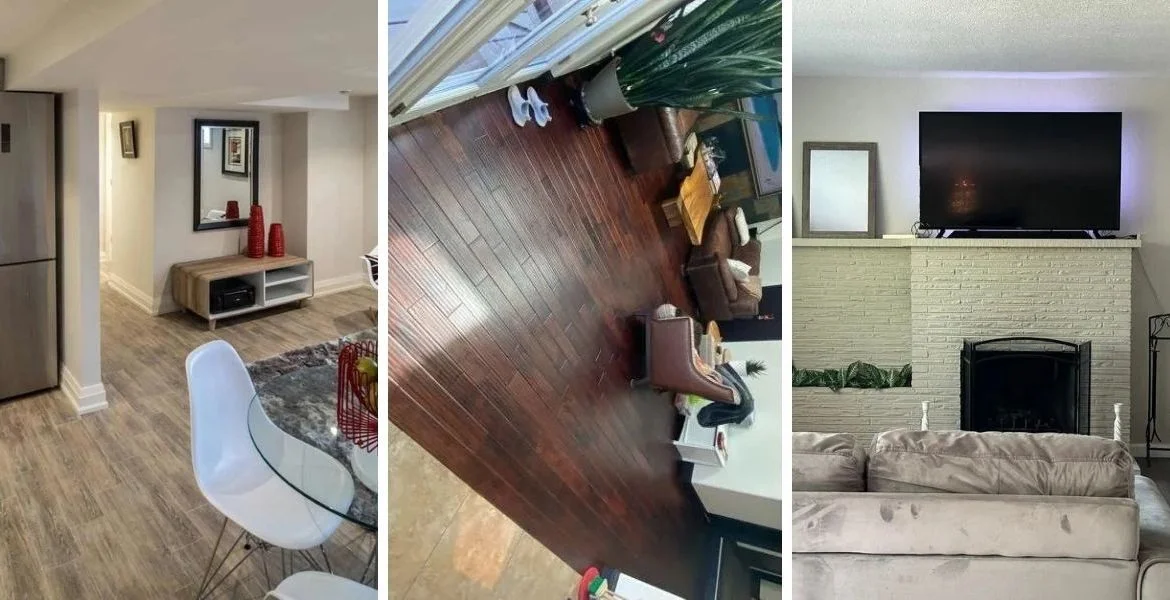
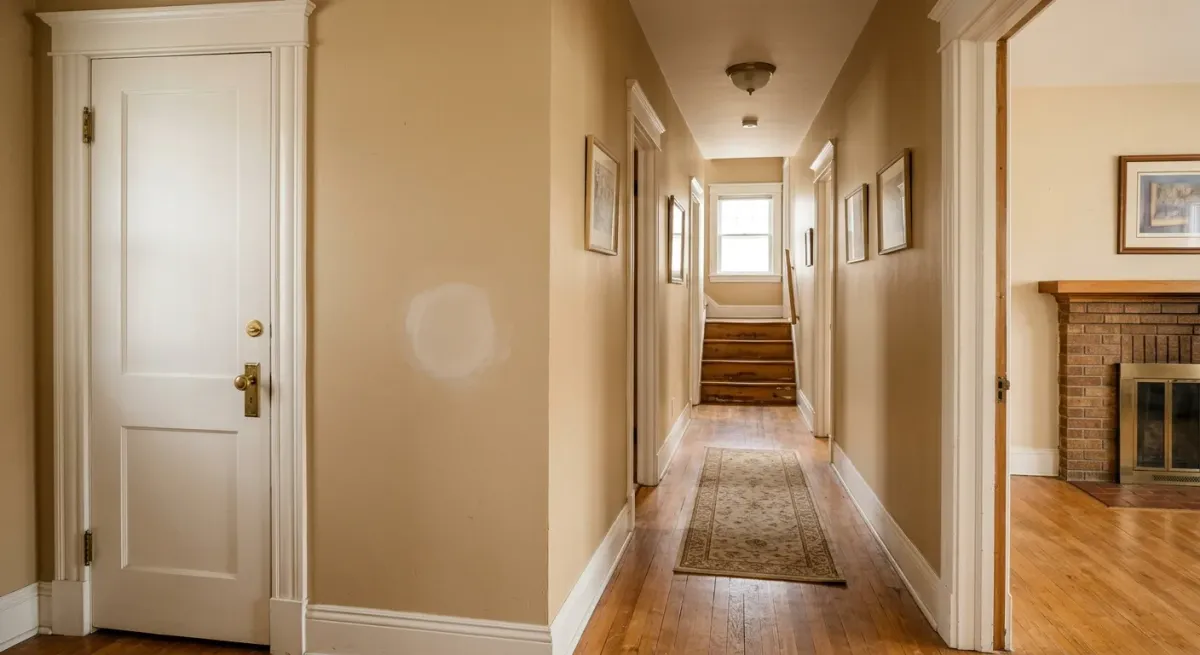
crack and seam repair work, professional service in Arvada, CO

Arvada Drywall Repair Done to Paint-Ready

Remodel Pro Colorado handles drywall repair in Arvada and across the Denver metro, from nail pops and hairline cracks to water-damaged sections that need full panel replacement. If you're staring at a patch that caught the light wrong or a seam that keeps cracking open every spring, that's the job we do. Tim Overhultz has been finishing drywall in Jefferson County homes for over 17 years, and the work ships paint-ready. Not 'you can sand it yourself.' Call (720) 819-5919 for a straightforward estimate.

Colorado's Front Range climate is genuinely hard on drywall. The humidity here can drop below 10% in winter, which pulls moisture out of joint compound and drywall paper faster than almost anywhere else in the country. That's why seams that were fine when a home was built in the '80s start separating after a few heating seasons, and why hairline cracks along ceiling corners reopen every February. Proper repair means more than slapping compound over the gap. We tape failed seams with fiberglass mesh or paper tape depending on the location, build up mudding coats with the right compound for each layer, setting-type for fill, lightweight all-purpose for finishing, sand between coats, and match the existing texture before anything gets primed. Rush the cure time and the patch will show. We don't rush it. For basement remodeling projects where drywall meets concrete moisture, the approach changes further, we assess the moisture source first. Cost varies by damage size, panel count, accessibility, and texture complexity. Every job is different, contact Remodel Pro Colorado for an accurate estimate.
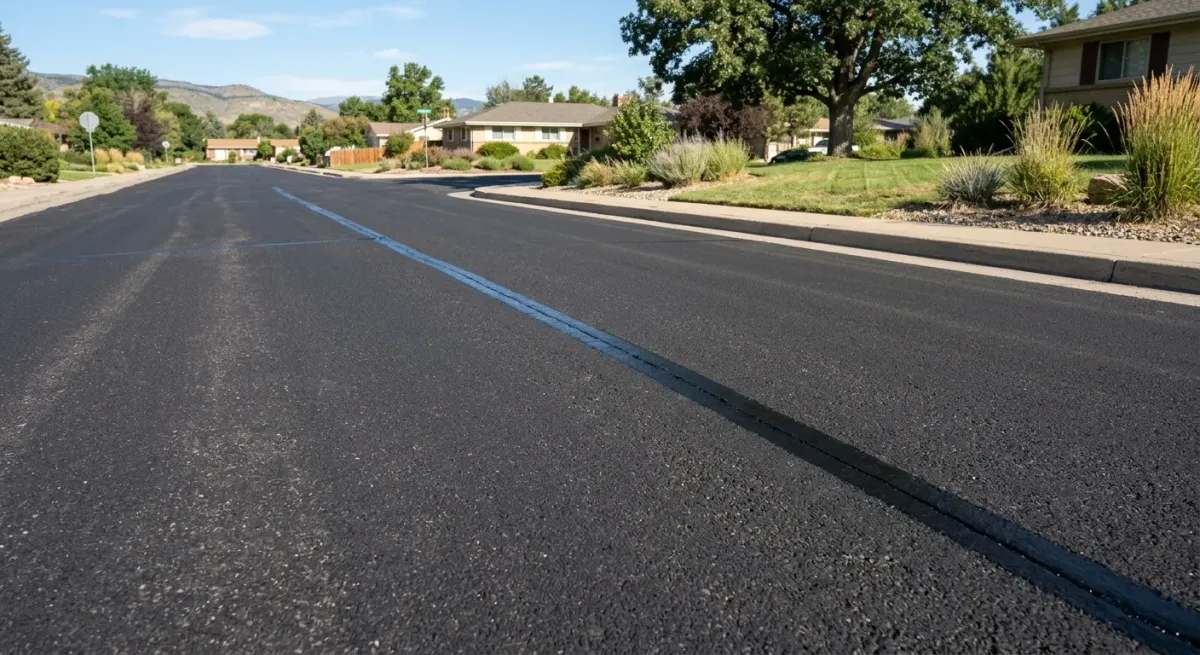
hole patching work, professional service in Arvada, CO

What We Repair and How We Assess It

Every call starts with an honest look at what caused the damage, not just what it looks like on the surface.

A hole from a doorknob is a different repair than a sagging ceiling section with a brown water stain behind it. We look at the cause before we touch the drywall. Impact damage, fist-sized holes, doorknob punches, furniture strikes, gets backed with a California patch or a clip system depending on size. Nail pops mean the fastener backed out of the stud; we recess it, drive a new screw nearby, and skim the area. Cracked corners along ceilings and door frames are almost always a settling or framing issue, and we address the movement path before taping. Water damage is the one that homeowners underestimate most. If the paper face is bubbled or the core is soft, that section comes out. Painting over wet or compromised drywall is a waste of everyone's time.

Repair Types

Common Drywall Problems We Fix

These are the repairs Arvada homeowners call us for most often.

Hole Patching

Small to large holes from impacts, old fixtures, or electrical work. We back every patch correctly so it doesn't flex and crack six months later.

Crack and Seam Repair

Colorado's dry climate separates taped seams and opens hairline cracks along ceilings and corners. We retape, remud, and feather, not just fill and paint.

Water Damage Repair

Soft, stained, or bubbled sections need panel replacement, not a skim coat. We confirm the moisture source is resolved before we close anything up.

Ceiling Repair

Popcorn, smooth, or textured ceilings all require different approaches. Matching an existing ceiling finish is one of the harder skills in finishing work. We've been doing it for 17 years.

Nail Pop Repair

Nail pops are a fastener failure, not a cosmetic issue. We set the original nail, drive a new screw, and skim flush, so it doesn't pop again next winter.

Texture Matching

Orange peel, knockdown, skip trowel, smooth, every texture requires a different spray setting and technique. We sample against the existing wall before committing to a full section.
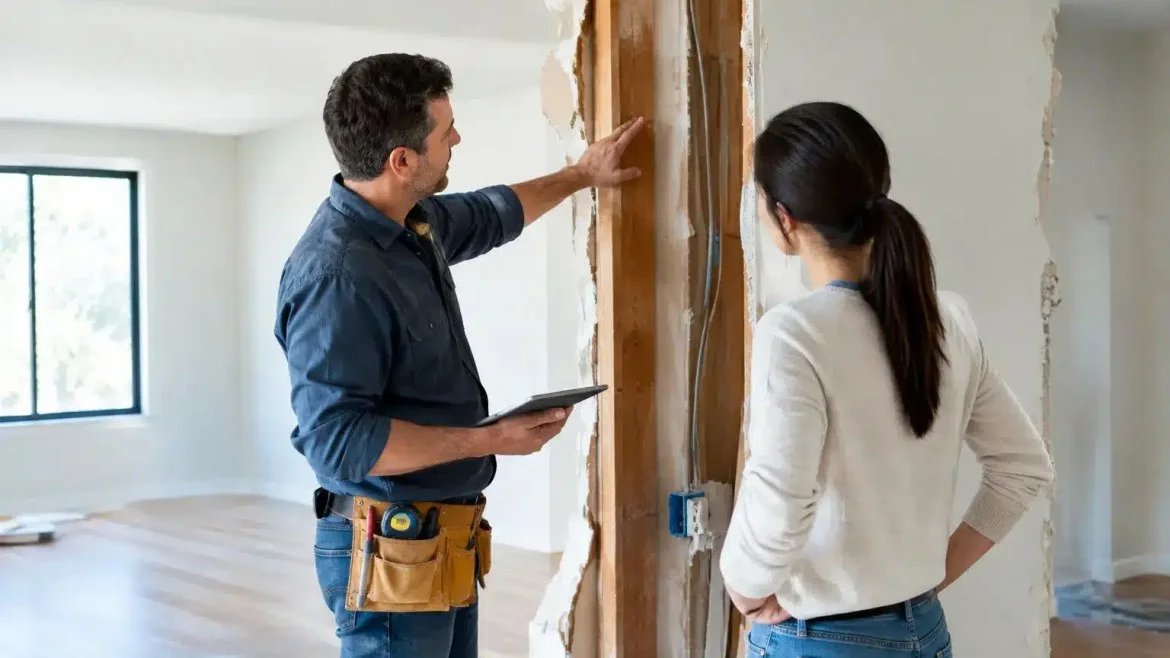
A home inspector or contractor discussing drywall and framing work with a homeowner during an interior renovation assessment.

Colorado Climate

Why Front Range Homes Crack More Than You'd Expect

Arvada sits at around 5,400 feet with relative humidity that swings hard between seasons. In a dry winter heating cycle, joint compound and drywall paper lose moisture and contract. In a wet spring, especially in lower-level spaces affected by snowmelt, they absorb it and expand. That cycle, repeated over years, is why you see diagonal cracks at window corners, separating seams above exterior walls, and recurring ceiling cracks in older homes from the '60s and '70s when drywall formulations weren't built for this climate. It also means DIY patches often fail faster here than they would in a humid region. Without proper tape embedment, the right compound viscosity, and adequate dry time between coats, a patch can re-crack within a season. Homes that went through basement remodeling or kitchen remodeling and had their drywall disturbed sometimes develop new movement at the transition points. That's normal, and it's fixable. What isn't fixable is a painted-over bad patch that you've now lost track of.

Our Process

The Patch-to-Paint Timeline

  1. 01

    Assess, Cut, and Back

    We identify the damage extent, cut to clean drywall edges, and install proper backing, wood, metal clips, or a California patch depending on hole size and wall access.

  2. 02

    Tape, Mud, and Cure

    First coat uses setting-type compound for fill. Tape goes in wet. Subsequent finish coats use lightweight all-purpose compound, feathered wide. Each coat cures fully before the next. No shortcuts on dry time in Colorado's low humidity.

  3. 03

    Sand, Texture, and Prime

    We sand between coats, match the existing wall texture, and apply a drywall primer before paint. That primer is non-negotiable, raw compound flashes through latex paint and shows the patch outline.
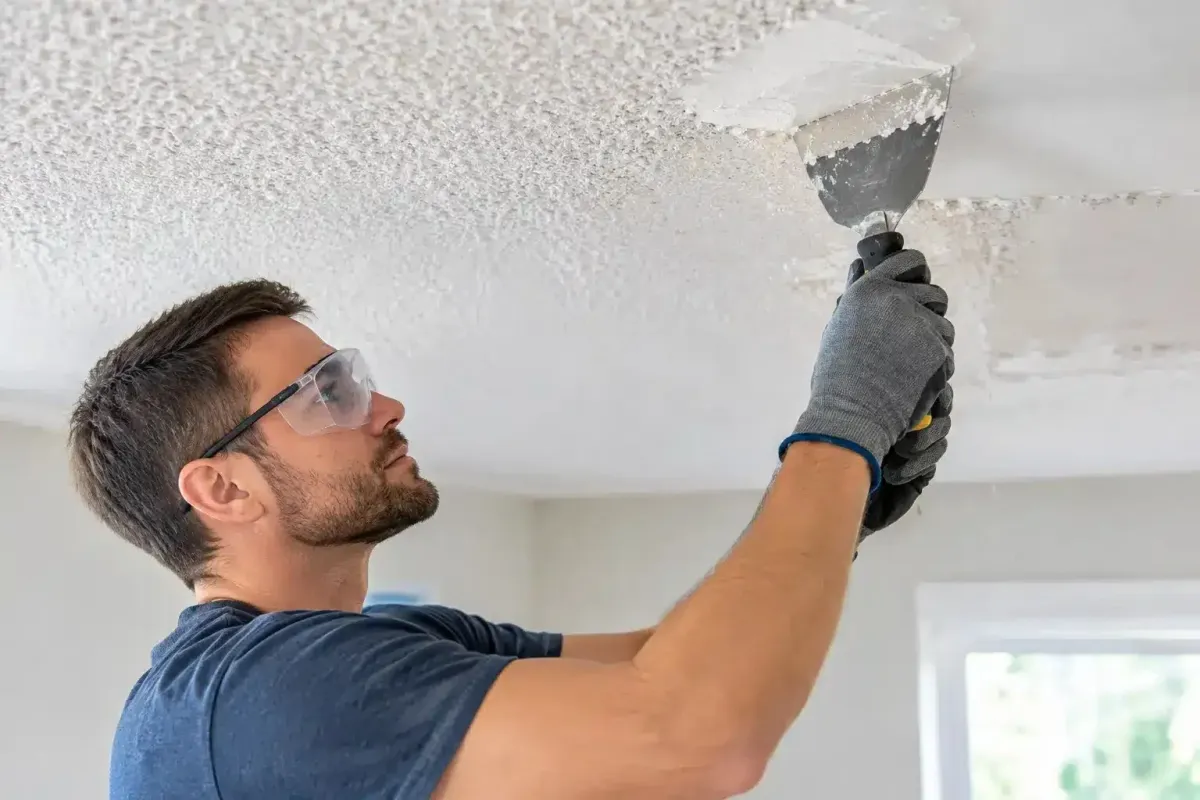
Popcorn ceiling removal in progress, with a worker using a putty knife to scrape textured ceiling material.

When to Call a Pro Instead of Patching It Yourself

Honestly, small nail holes and hairline cracks are reasonable DIY territory if you're patient with dry time and you prime before painting. The problems start when homeowners skip primer, use only spackle on larger repairs, or try to match existing wall texture with a brush. Texture matching is genuinely difficult. Orange peel and knockdown finishes are applied with a hopper gun at specific pressure and distance settings, then knocked down at a specific window of flash time. A brush or a sponge never replicates it. Not on a wall that's going to get raked by afternoon light. Call us when: the hole is larger than a few inches, there's any sign of water staining or soft drywall, the crack keeps reopening after you've patched it, or the texture needs to match within a living area, hallway, or any space where the light hits at an angle. Those are the situations where a failed DIY repair costs more to fix than the original damage would have. We also handle drywall work that connects to larger bedroom renovation or home office design and remodeling projects, where the finish quality needs to hold up to close inspection.

Our standard

Why Arvada Homeowners Call Remodel Pro Colorado

17 years on the Front Range. 4.8 stars across 20 Google reviews. Veteran-owned, Arvada-based.

Tim OverhultzOwner, Remodel Pro Colorado

  • Veteran-owned and operated

    Tim Overhultz served before he built. That background means accountability, punctuality, and straight answers about what the job actually requires.

  • 17 years finishing Colorado homes

    Front Range climate, Jefferson County housing stock, and the specific ways drywall fails here, Tim's been seeing and fixing it since 2007.

  • Upfront pricing, zero hidden fees

    You get a clear estimate before work starts. No surprise line items when the invoice arrives.

  • Paint-ready finish, every time

    We prime before we leave. The patch is indistinguishable from the surrounding wall, or we come back.

Drywall Repair Questions from Arvada Homeowners

Why does drywall crack in Colorado's dry climate?
Colorado's low humidity, especially during winter heating season, pulls moisture out of joint compound and drywall paper, causing contraction. When humidity rises in spring, those same materials expand. That repeated cycle separates taped seams and opens hairline cracks at corners and above windows. It's not a defect in your home; it's what the climate does. Proper repair means reembedding tape and feathering the compound wide enough to handle the seasonal movement.
How big of a hole can be patched without replacing the whole panel?
Holes up to about six inches in diameter are typically patched with a clip system or a California patch, both methods that don't require cutting back to studs. Holes larger than that, or any area where multiple patches are clustered close together, usually warrant replacing the full section between studs. It's cleaner, faster, and the seams are easier to finish than trying to blend a large irregular patch into existing drywall.
What should I do immediately after drywall water damage in my home?
Stop the source first. Painting or patching over wet drywall is a temporary fix that traps moisture and grows mold behind the surface. Once the leak or intrusion is resolved, let the area dry fully, typically several days with airflow, before we assess the drywall. Soft, bubbled, or discolored sections usually need to come out rather than be patched over. We confirm structural dryness before any new panel goes in.
Can you match the existing wall texture after a repair?
Yes, and it's one of the more skill-dependent parts of drywall finishing. Orange peel and knockdown textures are applied with a hopper gun at specific air pressure and product viscosity settings, then manipulated within a narrow flash-time window. We test the texture on scrap material against your existing wall before we spray the patch area. Skip trowel and smooth finishes have their own technique. The goal is for the repair to disappear under paint. Not just be covered by it.
How long does drywall repair take from patch to paint-ready?
A single small patch with proper mudding coats takes two to three days minimum when you account for cure time between coats, longer in winter when indoor humidity is especially low. Larger repairs or multiple areas in one room can run three to five days. We won't hand off a surface for painting before it's fully cured and primed. Rushing that timeline is the most common reason a patched area shows through paint within a few months.
Is there a difference between patching compound and joint compound, and does it matter?
It matters a lot. Setting-type compound (the powdered kind you mix with water) hardens through a chemical reaction. It's dense, shrinks minimally, and is right for filling large voids and embedding tape. Lightweight all-purpose joint compound dries by evaporation and is easier to sand, making it the right tool for finish coats where you're feathering a wide, thin layer. Using all-purpose for fill coats on larger repairs creates a surface that's prone to cracking. We use each compound in the stage it's designed for.
What should I do immediately after drywall water damage?
Stop the moisture source first. Patching over wet drywall traps moisture and can lead to mold behind the surface. Once the source is resolved, let the area dry fully with airflow before any assessment. Soft, bubbled, or discolored sections typically need panel replacement rather than a patch coat. We confirm dryness before any new material goes in.
What's the difference between patching compound and joint compound?
Setting-type compound hardens through a chemical reaction, shrinks minimally, and is right for filling large voids and embedding tape. Lightweight all-purpose joint compound dries by evaporation and sands easily, making it correct for finish coats where you're feathering a wide, thin layer. Using all-purpose for fill coats on larger repairs creates surfaces prone to cracking. We use each compound in the stage it's designed for.
Can you match existing wall texture after a repair?
Yes. Orange peel and knockdown textures are applied with a hopper gun at specific air pressure and product viscosity settings, then manipulated within a narrow flash-time window. We test against your existing wall before spraying the patch area. Skip trowel and smooth finishes each require their own technique. The goal is for the repair to disappear under paint, not just be covered by it.

Get Your Walls Looking Right Again

Call Tim directly at (720) 819-5919 or request an estimate online. We serve Arvada and the Denver metro, no hidden fees, no runaround.

Related

Next step

Tell us about the job

Your name, your number and what needs doing. A person from Remodel Pro Colorado gets back to you.

Rather talk now?(720) 819-5919

No obligation


By submitting this form you agree that we may contact you about your request and share your name and email address with partner companies for email marketing. We never share your mobile number or text message consent with third parties or affiliates for marketing or promotional purposes.