
Arvada Local
Tile Shower vs Fiberglass SurroundWhich Fits?
The choice between tile and fiberglass shapes your budget, timeline, and bathroom for years to come.
Request an estimate
Tell us what you need
What Separates Tile from Fiberglass
A shower that is difficult to clean, cracked around the edges, or stuck in another decade can make an otherwise comfortable home feel unfinished. When homeowners plan a bathroom remodel, the tile shower vs fiberglass surround decision often shapes the budget, project timeline, daily maintenance, and finished look more than almost any other single choice.
Both materials can create a clean, dependable shower. The right one depends on how you use the bathroom, how long you plan to stay in the home, and what you want the space to feel like when the work is done.
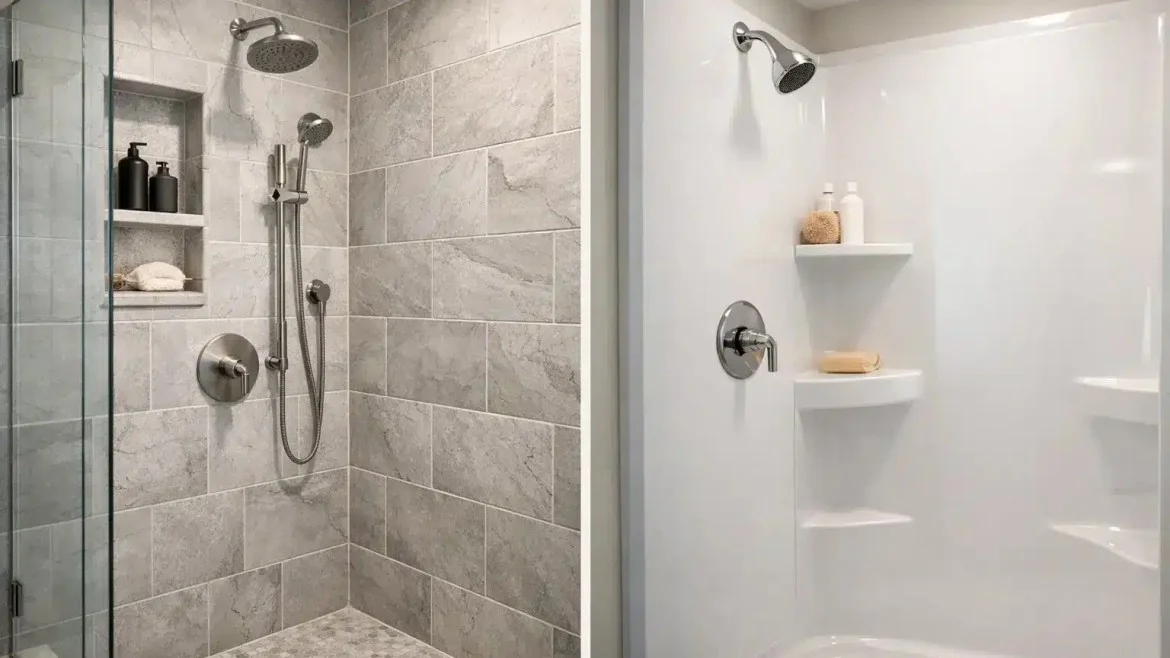
The Core Difference Between These Two Systems
Upfront Cost and Long-Term Value
Style and What Each Material Can Do
Tile and fiberglass serve different design goals. Here is where each one has the advantage.
Tile: Full Design Control
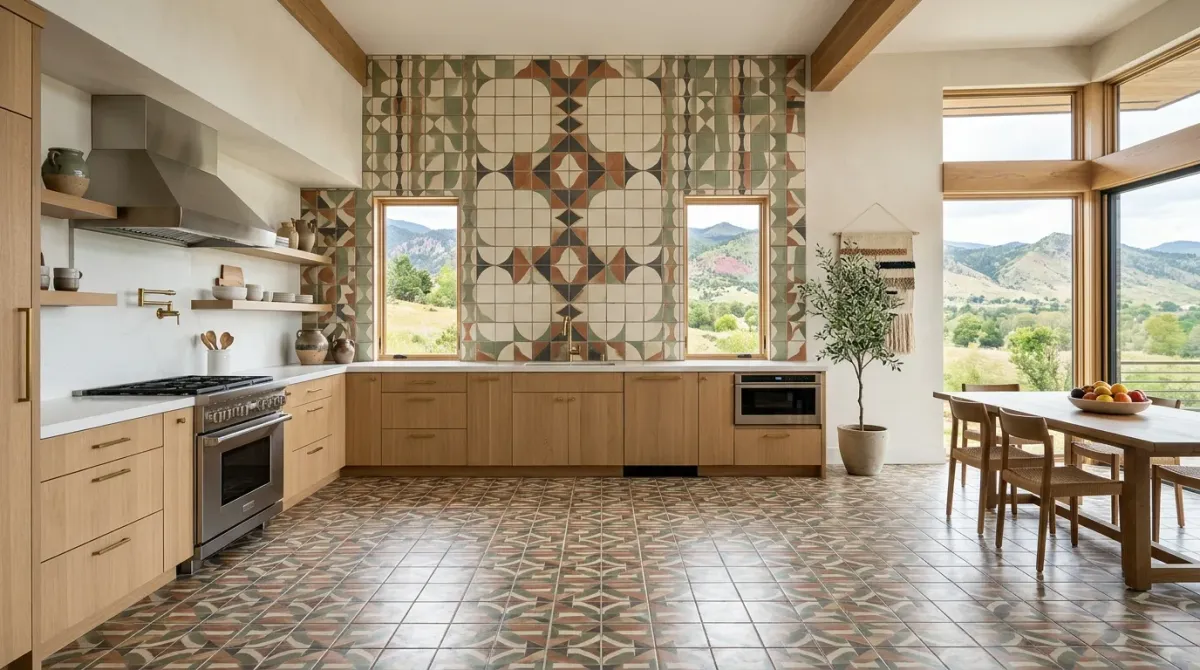
Tile lets you choose the color, texture, size, layout, and finish. A quiet porcelain tile with clean grout lines creates a modern retreat. Warm stone-look tile suits a traditional Colorado home. A vertical stacked pattern can make a shorter shower feel taller. Tile also solves layout challenges, older homes in Arvada, Denver, Golden, and nearby communities do not always have perfectly standard bathroom dimensions, and a custom tile shower can be built around an existing window or an angled wall.
Fiberglass: Practical and Finished
Fiberglass surrounds are more limited in customization, but limited does not mean unattractive. They work well in guest baths, basement bathrooms, rental properties, and practical family spaces where a simple, bright, easy-care surface is the priority. Pairing a clean surround with a quality vanity, updated lighting, and a well-chosen shower door can still produce a finished, welcoming room.
Cleaning and Everyday Maintenance
Durability Depends on What's Behind the Surface
Both materials fail the same way, through poor installation, not poor materials.
Where Fiberglass Falls Short
A quality fiberglass surround can last many years, but it can crack, fade, or become difficult to repair after a hard impact. Poor support behind the panels or an improperly sealed seam can allow moisture to work behind the wall without any visible sign until the damage is extensive. One-piece units are especially durable in the right setting, but getting them into an existing home through doorways, stairs, and tight hallways can be a real constraint.
Where Tile Installation Matters Most
When tile work is rushed or waterproofing is skipped, a beautiful shower can hide moisture damage until the repair becomes expensive. This is why a tile shower should be treated as a construction project, not just a finish upgrade. Experienced workmanship protects both the visible details and the structure behind them. See our guide to tile patterns for more on how layout choices affect both appearance and water management.
What to Expect
Project Timeline and Bathroom Disruption
Fiberglass: 1–3 Days
When the existing framing is sound, a fiberglass surround can often be installed in a day or two. That shorter disruption matters when the bathroom being remodeled is the only one in the home.
Tile: 5–10 Days
A tile shower generally takes longer because each stage must be completed in the correct sequence. Preparation, waterproofing, setting tile, grouting, and curing time all matter. A longer timeline is not a flaw. It is usually the result of building the shower carefully.
Both: Plan for the Full Scope
Homeowners should be wary of promises that compress critical waterproofing or curing steps just to finish faster. If the bathroom is being updated as part of a larger project, this is also the right time to address ventilation, lighting, or flooring.
Our standard
Which Shower Fits Your Home?
The right answer depends on the bathroom, the budget, and how long you plan to stay.
Tim OverhultzOwner, Remodel Pro Colorado
Choose fiberglass for lower upfront cost and faster installation
Best for guest baths, basement bathrooms, or rental properties where function and simplicity are the priority.
Choose tile for a custom layout, elevated appearance, and long-term value
Best for primary suites, homes with non-standard dimensions, or any project where the shower is a focal point.
Consider a split approach
Some homeowners install a durable surround in a secondary bath while investing in tile for the primary suite, a practical way to manage the overall budget.
Put budget into what matters most
Simple, classic tile with strong waterproofing and a quality shower door often outperforms an expensive decorative finish over a rushed installation.
Related Reading
More guides on bathroom and home remodeling decisions.
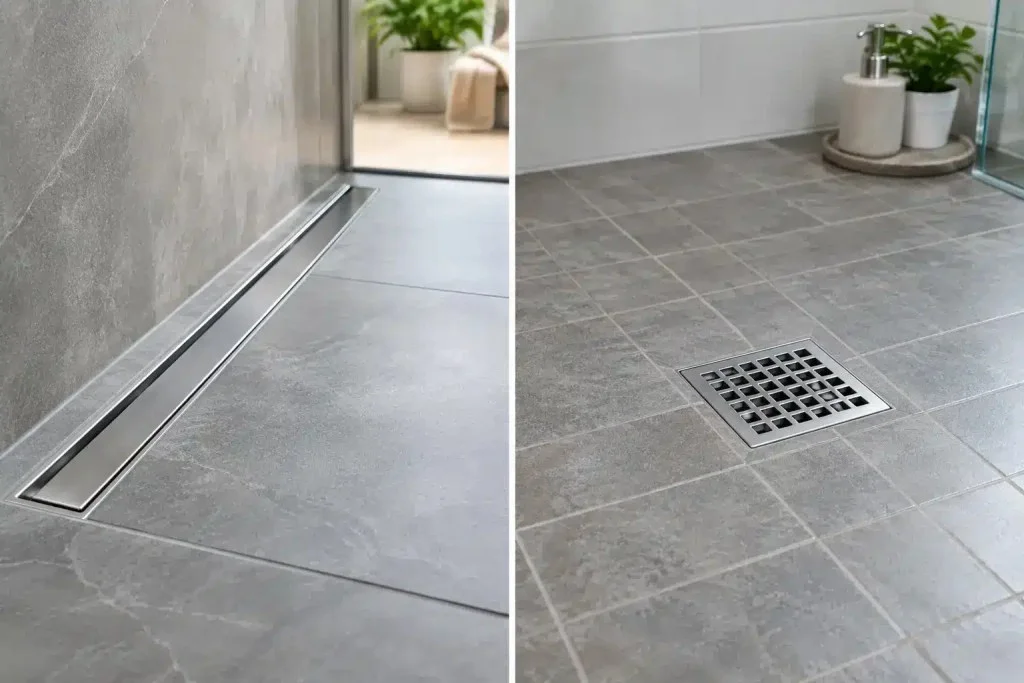
Linear Drain vs Standard Shower Drain
Drain placement affects both water management and tile layout. Understanding the difference helps before any tile goes down.
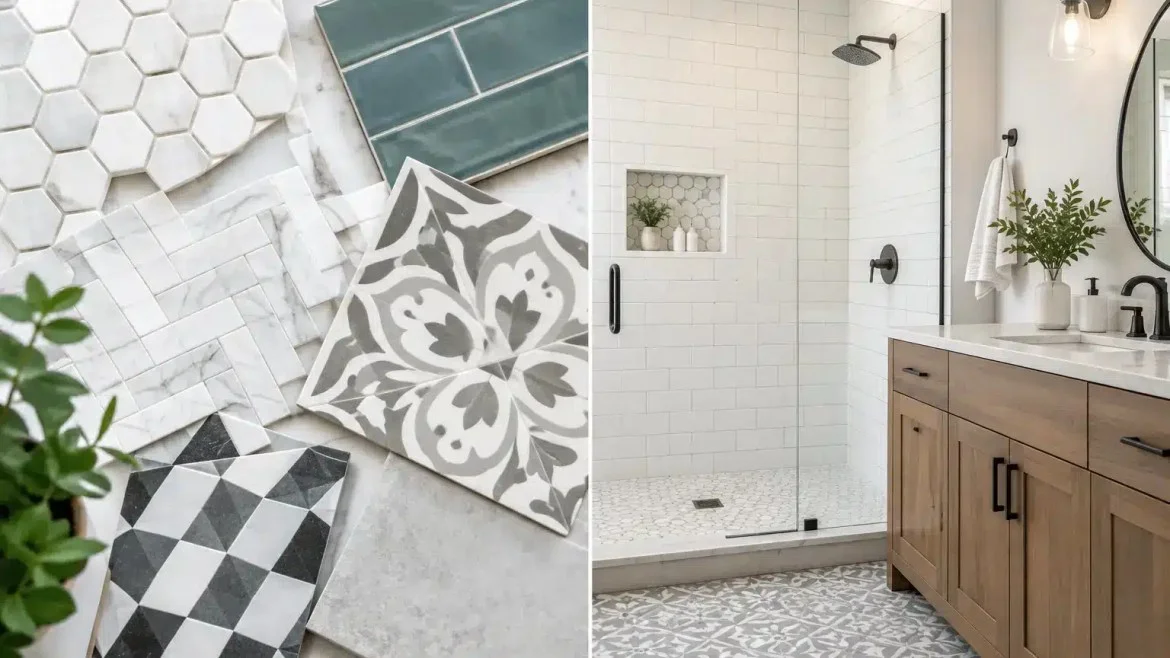
Guide to Tile Patterns for Remodels
Layout choices affect how a space reads, size, proportion, light, and grout lines all play a role in the finished result.
Interior Remodeling That Fits Your Home
A shower remodel rarely stands alone. See how bathroom updates fit into a broader interior renovation plan.
Ready to Plan Your Bathroom Remodel?
Tim and the Remodel Pro Colorado crew have worked on bathrooms of every size across Arvada, Westminster, Lakewood, and the Denver metro, tile, fiberglass, and everything in between. Call for an honest conversation about what makes sense for your home.
Next step
Tell us about the job
Your name, your number and what needs doing. A person from Remodel Pro Colorado gets back to you.
Rather talk now?(720) 819-5919